
Most people don’t think about their heating and cooling system until something goes wrong. And by that point, you’re usually dealing with a broken air conditioner in the middle of July or a heating system that quits on the coldest night of the year. Getting ahead of those situations isn’t complicated — it just takes a little knowledge and some proactive attention to a system that works hard for your home every single day.
How Your HVAC System Actually Works
Understanding the basics of how your system operates makes it a lot easier to spot problems early. Your HVAC system — which stands for heating, ventilation, and air conditioning — is responsible for regulating temperature, controlling humidity, and keeping the air in your home clean and circulating properly.
In the summer, your air conditioner pulls heat from inside your home and releases it outside, leaving cooled air behind. In the winter, your heating system — whether it’s a furnace, heat pump, or boiler — generates or transfers heat to keep your living spaces comfortable. The ventilation component moves air through your ductwork and filters out dust, allergens, and other particles along the way.
When any part of this system isn’t working efficiently, you feel it in your comfort level and in your energy bills long before anything breaks down completely.
The Case for Seasonal HVAC Services
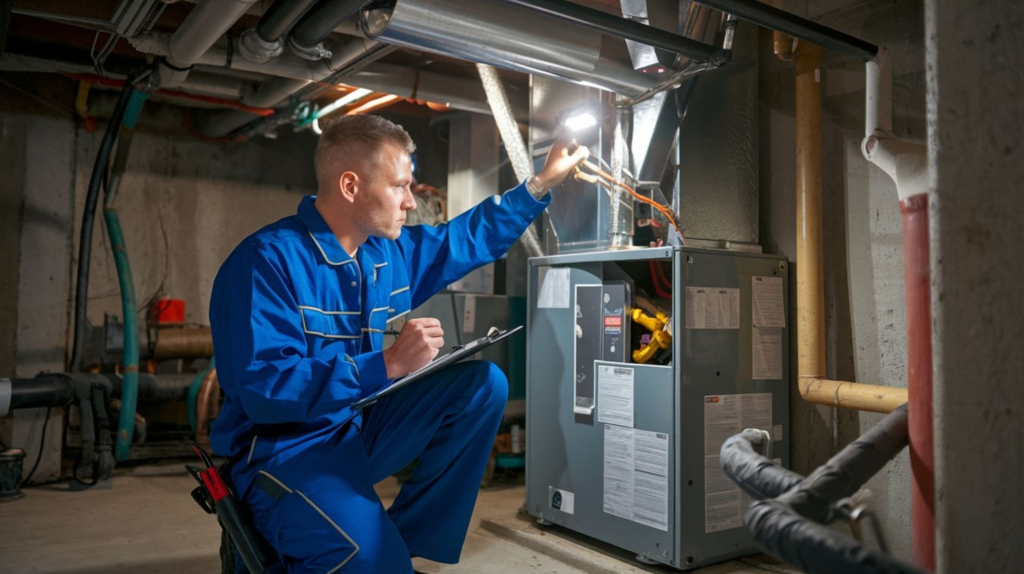
Getting your system professionally serviced twice a year — once before cooling season and once before heating season — is one of the smartest and most cost-effective things a homeowner can do. HVAC services at these intervals catch small issues before they become expensive repairs, keep your system running at peak efficiency, and extend the overall lifespan of your equipment.
A typical seasonal tune-up includes checking refrigerant levels, cleaning coils, inspecting electrical connections, lubricating moving parts, testing thermostats, and making sure airflow is balanced throughout the house. It sounds like a lot, but a good technician can get through it efficiently — and the peace of mind that comes with knowing your system is ready for whatever the season throws at it is absolutely worth it.
HVAC Richmond: Why Local Expertise Matters
Virginia weather is no joke. Richmond summers are hot and humid, and winters can swing between mild and genuinely brutal within the same month. That kind of climate puts real demands on your heating and cooling system, and it’s why working with a local HVAC Richmond provider who understands the regional climate makes a difference.
A local company also means faster response times when something goes wrong. When your air conditioner goes down on a 95-degree day, you don’t want to be waiting days for a technician. A Richmond-based HVAC company with deep roots in the community is going to prioritize getting you back up and running fast.
Signs Your Air Conditioner Needs Attention Now
Your system will usually give you warning signs before it fails completely. Warm air blowing from vents when the AC is running, weak airflow, unusual sounds like grinding or rattling, moisture or leaking around the unit, and a sudden spike in your energy bill are all signals that something needs to be looked at. Catching these early almost always means a cheaper, simpler fix than waiting until the system stops working entirely.
Heating Services Before the Cold Hits
The fall is the ideal time to schedule heating services — before every other homeowner in Richmond is scrambling to do the same thing. A heating tune-up ensures your system is clean, safe, and efficient heading into winter. It also gives your technician a chance to spot anything that might need repair or replacement before you actually need the heat, giving you time to make decisions without being in an emergency situation.
If your system is more than 15 years old and starting to need frequent repairs, it may be worth having a conversation about replacement. Newer systems are significantly more energy efficient, which translates to real savings on your monthly bills over time.
Simple Habits That Help Your System Last Longer
Beyond professional HVAC services, there are a few easy habits that make a real difference. Changing your air filter every one to three months is the single most impactful thing most homeowners can do — a clogged filter forces your system to work harder and reduces air quality throughout the house. Keeping the area around your outdoor unit clear of debris, making sure your vents aren’t blocked by furniture, and using a programmable thermostat to avoid running the system harder than necessary all add up over time.
Your HVAC system is one of the hardest working and most expensive components of your home. Treating it accordingly keeps your family comfortable year-round and saves you real money in the long run.
