
Beth McDonough wrote STANDBY during active recovery from alcohol addiction while dealing with tick-borne illness, choosing to document her rehabilitation in real time rather than waiting until healing was complete.
Origin story or context
Most recovery memoirs are written after the author has years of sobriety and perspective. Beth McDonough wrote STANDBY while she was still in the middle of rebuilding her life, attending recovery meetings, and managing the physical and emotional aftermath of her public fall from television journalism.
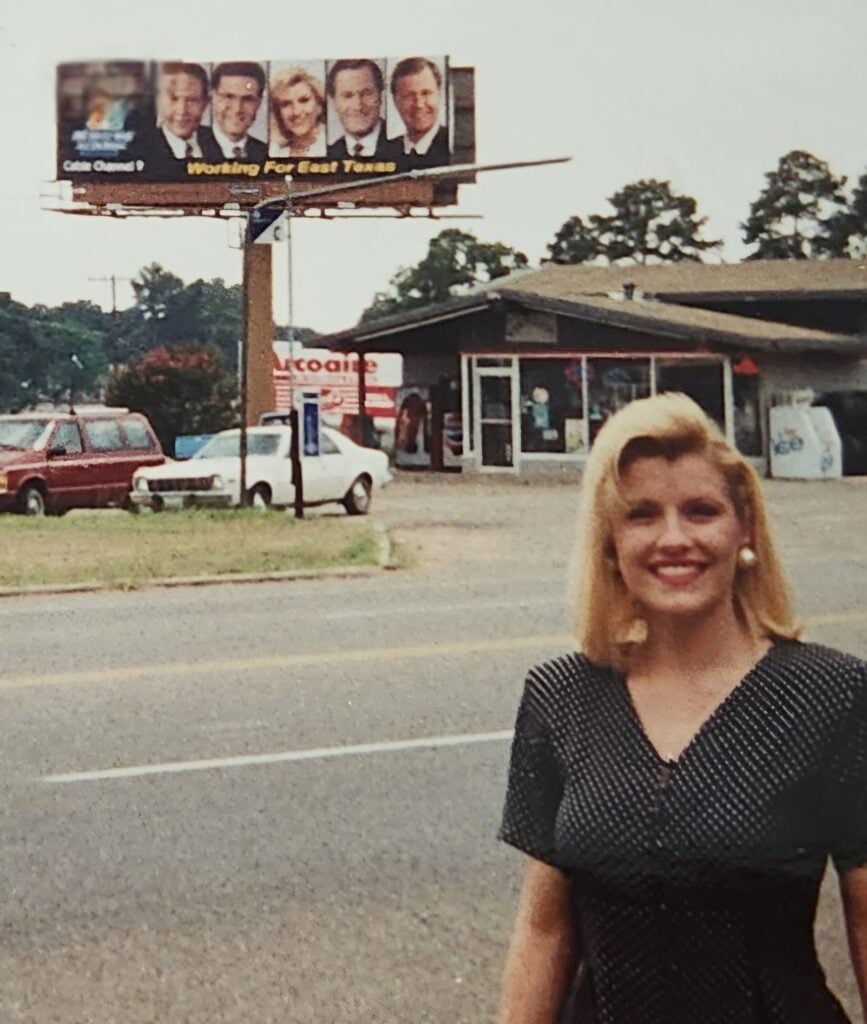
McDonough was an Emmy-winning journalist who won the national duPont-Columbia award for coverage of the George Floyd riots and the Edward R. Murrow award for highest standards in news reporting. She broke the story of kidnapping victim Jayme Closs in Wisconsin, who escaped from her captor after nearly three months of captivity. She was featured in a Lifetime documentary with survivor Elizabeth Smart.
Then alcohol addiction unraveled her career publicly. Her arrest became news. Her mugshot circulated online. She went from reporting other people’s tragedies to becoming the story herself, according to the author.
After her public fall, McDonough moved to the Southwest desert with two dachshunds named Simpson and Mendel. The red rocks, extreme temperatures, and isolation became the backdrop for her recovery work, which included rehab, recovery meetings, therapy, aftercare, and AA as part of her program.
Product or approach
What makes STANDBY unusual is not that McDonough rejected traditional recovery programs. She participated in rehab, attended recovery meetings, worked with therapists, and made AA part of her ongoing program, according to the author.
What makes the memoir different is that she wrote it during active recovery rather than after. Most authors wait until they have years of sobriety and can reflect from a place of stability. McDonough documented the process while living it, writing between doctor visits, recovery meetings, and financial uncertainty.
The desert environment provided space for the difficult work of recovery without the constant reminders of her former life. No familiar bars. No former colleagues. No reporters who might recognize her face. Just heat, silence, and the daily structure of recovery work, according to the author.
Simpson and Mendel, her two dachshunds, provided more than companionship. They required routine when she had no structure. They needed walks when she wanted to stay in bed. They demanded feeding when she forgot to eat. The dogs created accountability through basic care requirements that kept her functioning during the worst periods.
Challenges and how they were solved
McDonough faced a challenge most memoir writers avoid: reliving the worst moments of her life repeatedly as she wrote and rewrote STANDBY over several years. She had to fact check her own trauma, verify the details of her fall, and narrate the heartbeat of her shame with journalistic precision.
She also dealt with tick-borne illness that caused physical symptoms while she was rebuilding sobriety. Managing chronic health problems while doing recovery work and writing a memoir about that recovery created layers of difficulty most authors do not face, according to the author.
The biggest challenge was writing from the middle of the story rather than the end. She did not write from recovery, she wrote into recovery. She did not reflect on a past self from a place of healing, she documented becoming a future self while wounds were still closing.
What sets the brand apart
McDonough lived both sides of the lens. She reported on crime, covered tragedies, and interviewed victims’ families before becoming a subject of the same system. She knows what it is like to cover devastation and to live it. That duality gives her story depth most recovery memoirs cannot offer.
She combines investigative journalism with emotional vulnerability. Many memoirs are beautifully emotional but lack clarity and structure. Many journalists write clearly but lack raw openness. McDonough does both, writing with investigative precision, emotional truth, a reporter’s discipline, and a survivor’s heart, according to the author.
Her mugshot was public and she chose not to hide from it. Most people with public shame disappear. She turned humiliation into testimony, repurposing pain into service through Beth McD Media where she helps others face their truth without shame.
Growth plan or vision
Through Beth McD Media, McDonough provides coaching and speaking services helping people design recovery approaches matching their circumstances. She teaches clients how to use the environment intentionally during recovery, whether that means moving to new cities or staying and facing familiar triggers.
Her second book Still Standing, releasing in 2026, will examine what happened after the initial recovery period. It will address reintegration challenges when returning to social and professional environments, going into more detail about what the rise looked like after the fall, according to the author.
What to watch next
Whether McDonough’s approach of writing during active recovery rather than after gains traction among memoir publishers remains uncertain. The traditional model prefers authors with years of hindsight and completed transformation rather than documentation of ongoing struggle.
Her ability to balance raw honesty about messy recovery with hope for people currently struggling will determine if Still Standing reaches audiences seeking real recovery narratives over inspirational redemption stories.
Beth McDonough wrote STANDBY during active recovery from alcohol addiction while participating in rehab, recovery meetings, therapy, aftercare, and AA program rather than waiting until healing was complete. The Emmy-winning journalist who won duPont-Columbia and Edward R. Murrow awards documented her public fall and rebuilding in Southwest desert with two dachshunds while managing tick-borne illness. She operates Beth McD Media providing coaching and speaking services, with second book Still Standing scheduled for 2026 examining reintegration after recovery.
SOCIAL
- Website: www.bethmcdmedia.com
- Stan Store: stan.store/jbmcdonough
